
A one-day employee trip: how to break the ice in a cold office, a real case
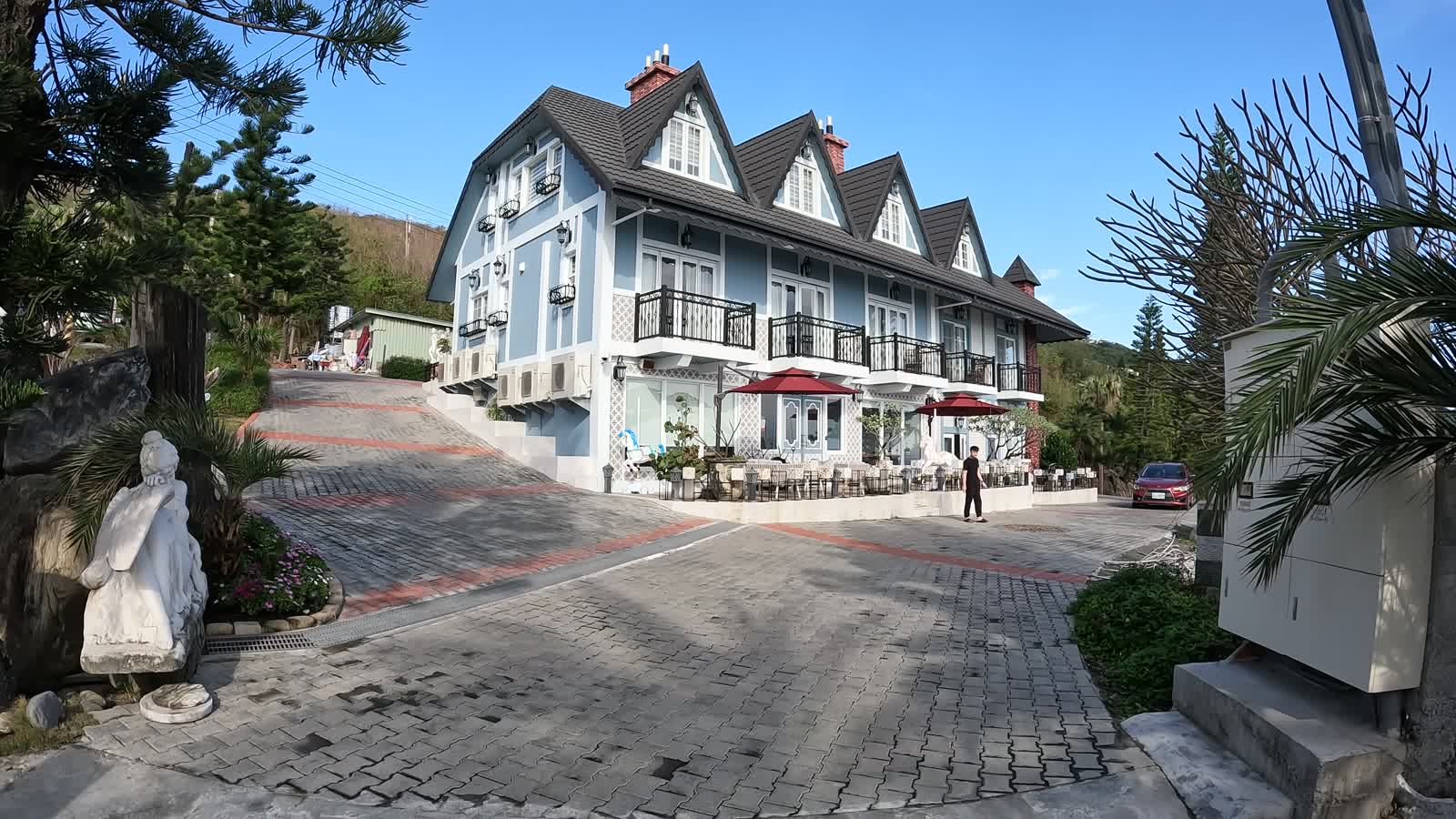
Once, while discussing an employee trip with Ms. A from a company's welfare committee, the deeper we got, the more we felt her frustration and pressure. The company wasn't big, but colleagues in the office didn't interact much; or rather, they were cold to each other. Even Ms. A was only on the welfare committee because she'd drawn the short straw the year before.
You can picture that kind of trip: the coach as quiet and cold as deep space. This post records how iTour used one day trip to "break the ice" for this company's team.
- The problem: colleagues were cold to each other, and nobody wanted to be on the welfare committee
- Step 1: with the company's consent, we built "small games that were really a kind of counseling" into the itinerary
- Step 2: a prize quiz on the coach, with questions about colleagues' names, nicknames, roles, zodiac signs and hobbies
- Step 3: when forming teams, we deliberately broke up and mixed "departments that usually compete"
- Step 4: the tour leader acted as the "glue" in the activities, actively pairing up people who didn't know each other
- The result: at lunch, we saw one beaming smile after another
What did iTour do on the coach?
The day of departure was cool, late spring, with a little drizzle. You could feel the chill among everyone at the meeting point (the tour leader could only silently pray it was because of the weather).
As soon as we boarded, we started a prize quiz. The questions had been gathered in advance: the colleagues' names, nicknames, roles, blood types, zodiac signs and hobbies. As the tour leader led the game, the mood on the coach slowly warmed up: "So we're both Libras", "So you love dumplings too", "So the person next to me has such a nice smile".
The two-plus-hour ride felt like a trip through a time tunnel: it turned out the distance wasn't as great as we'd thought.
Sightseeing isn't just walking around
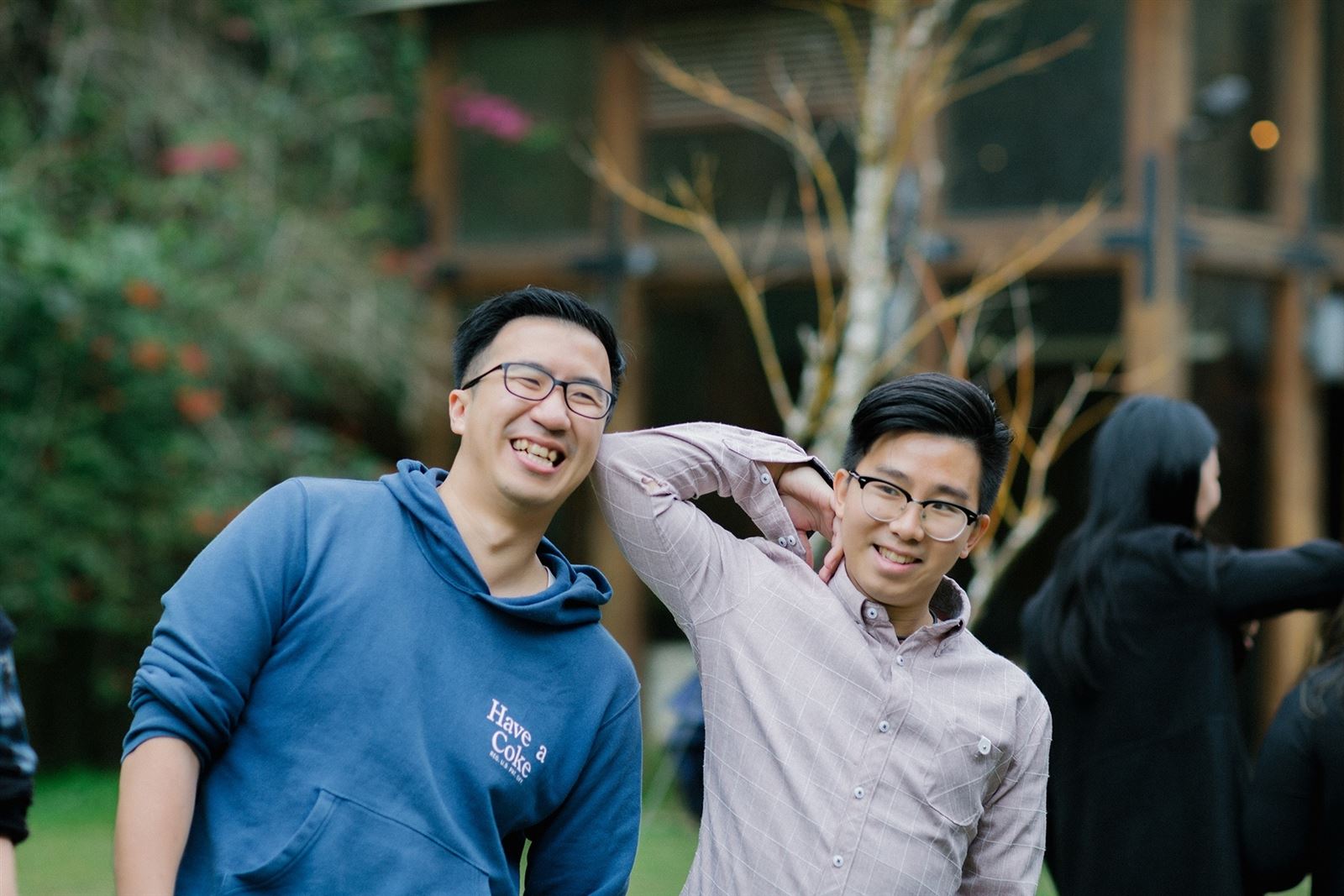
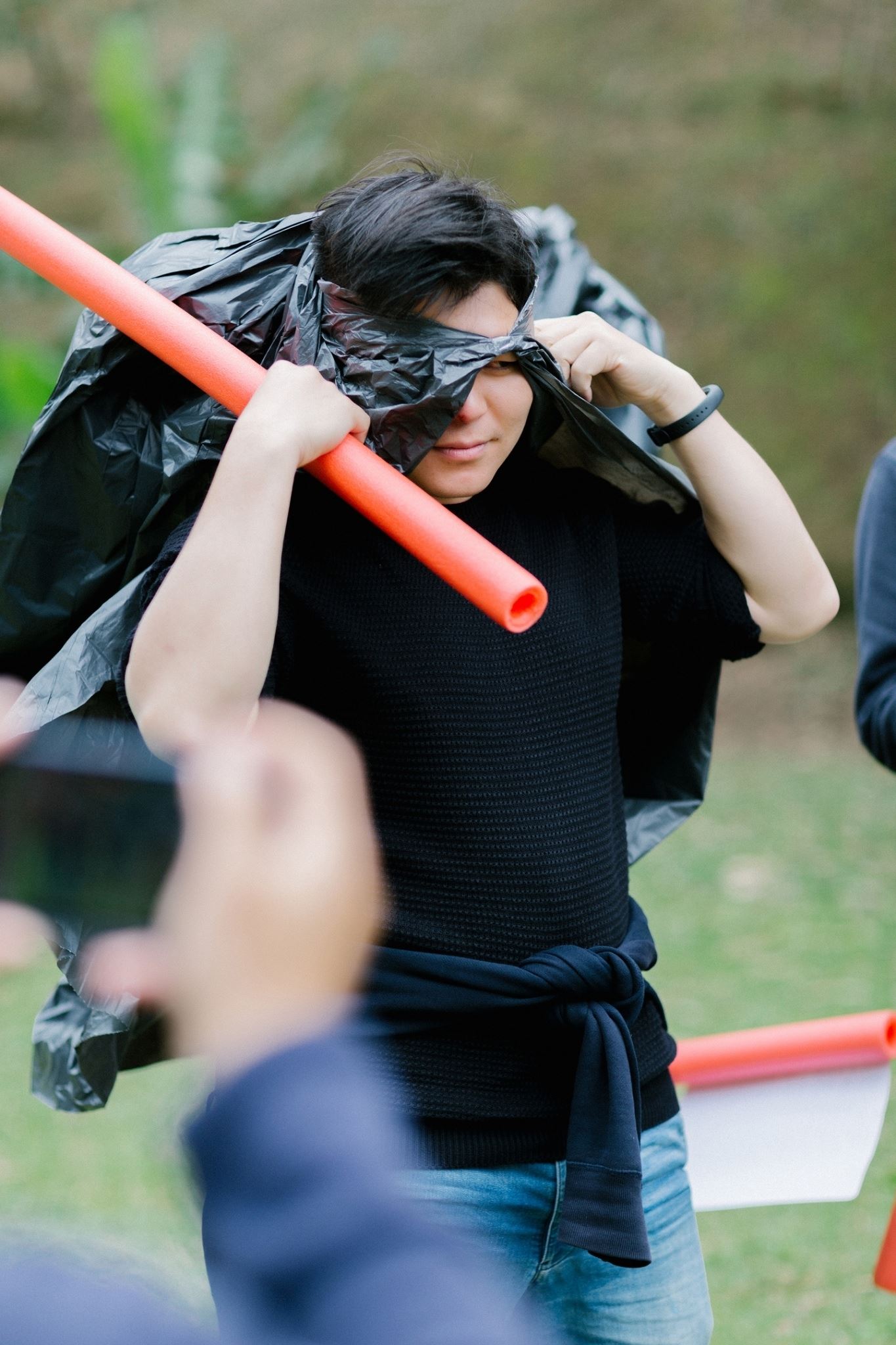
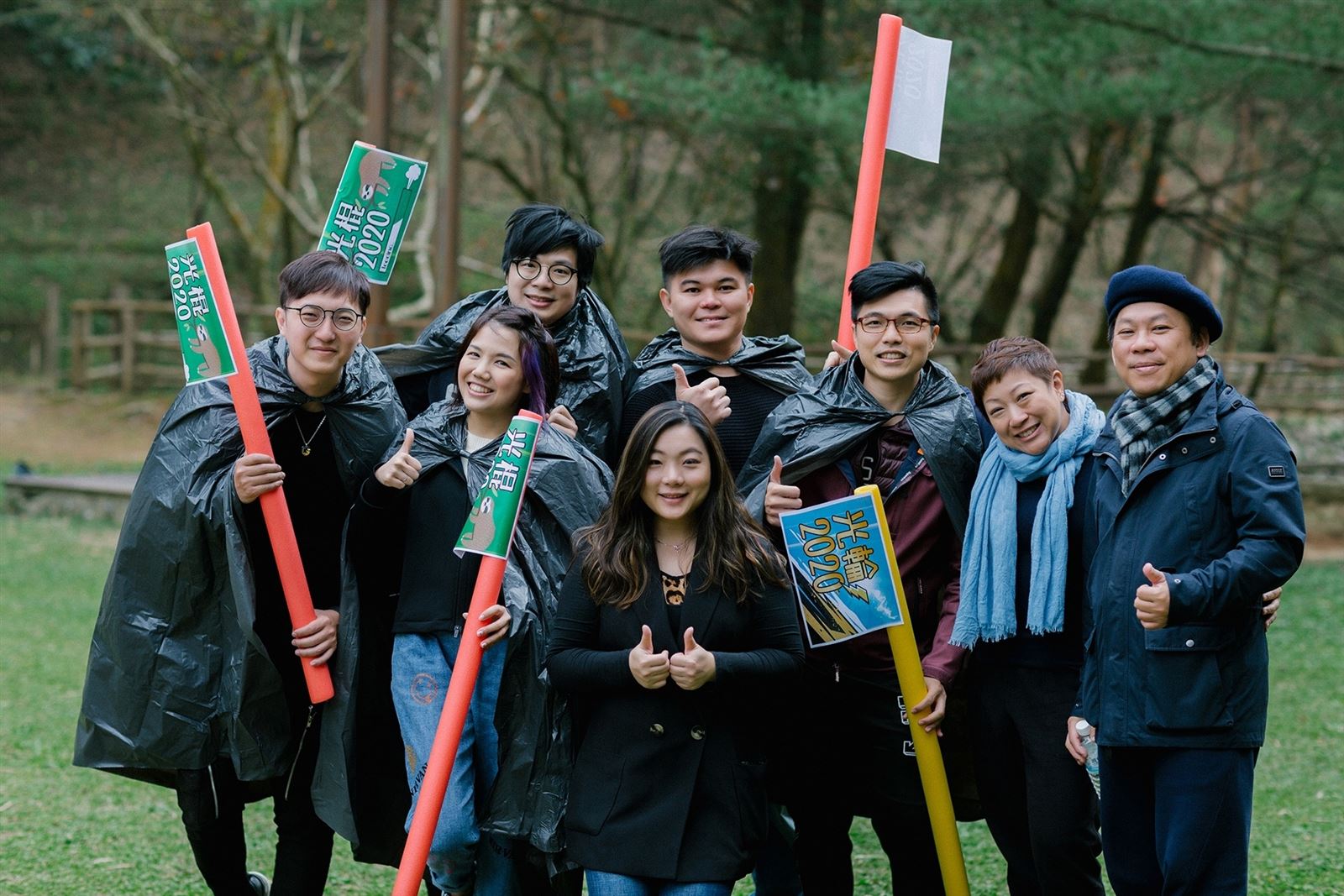
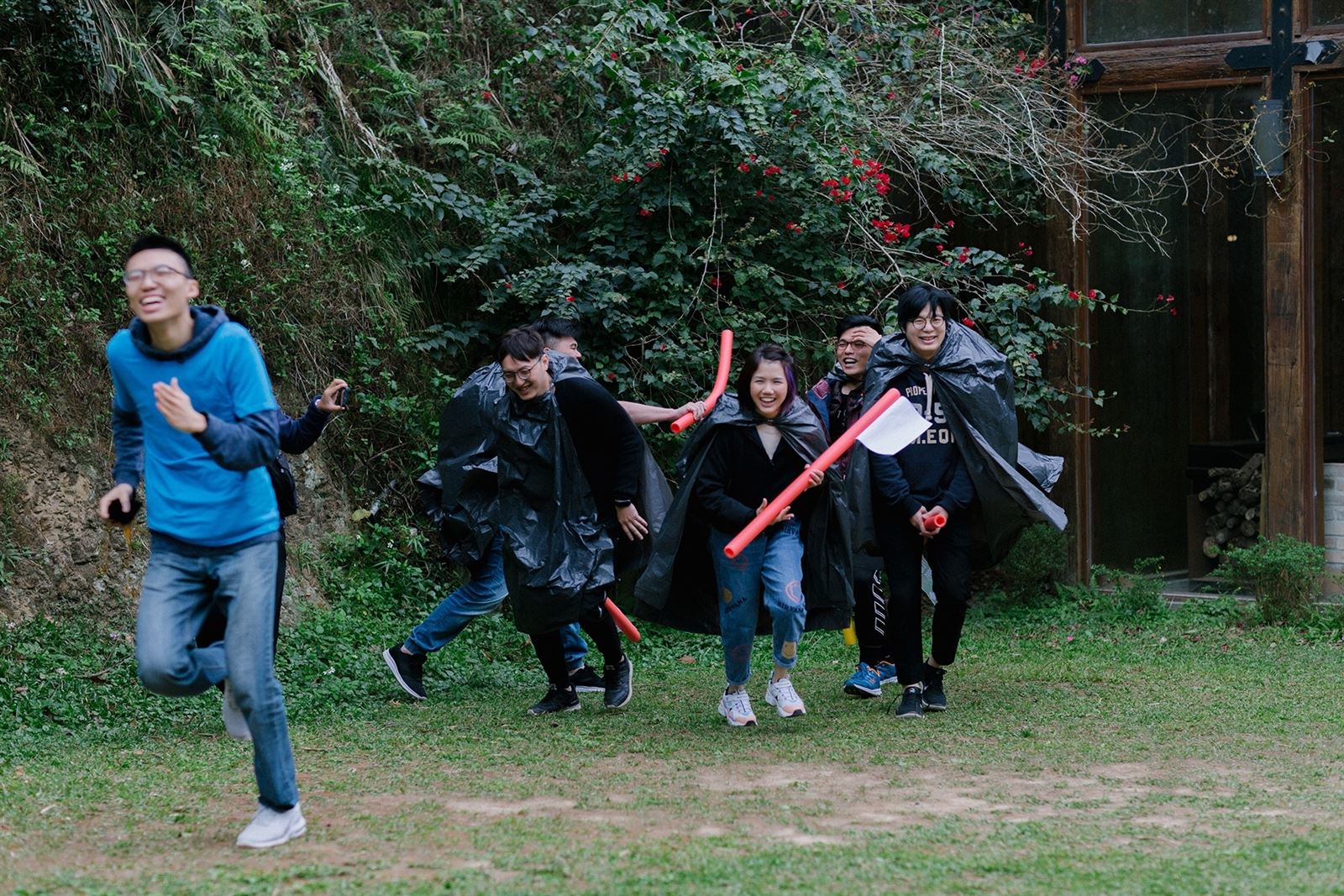
The stop was a quiet, relaxing leisure farm. Everyone thought it would just be an ordinary walk around, but then we brought out what we'd prepared: a real-life "Quidditch", a flying-broomstick ball-grabbing contest.
This caused a bit of a stir, because we'd rigged the teams again: best buddies couldn't all be on the same team; instead, we deliberately put departments that usually compete together and then shuffled them.
Why deliberately put competing departments on the same team?
Of course they didn't start holding hands as best friends right away. Putting on the gear brought the awkward moment of "it won't fit, and nobody's helping" (a big head isn't your fault); and teamwork was poor when the game began. That's when the tour leader jumped in as the glue: two people who didn't know each other, or were even a bit hostile, slowly began helping each other, and their passing and scoring got more and more in sync.
The weather was cool and overcast, yet everyone was drenched in sweat from running their hearts out. By then Ms. A kept shooting us grateful looks.
What had changed by the end of the day?
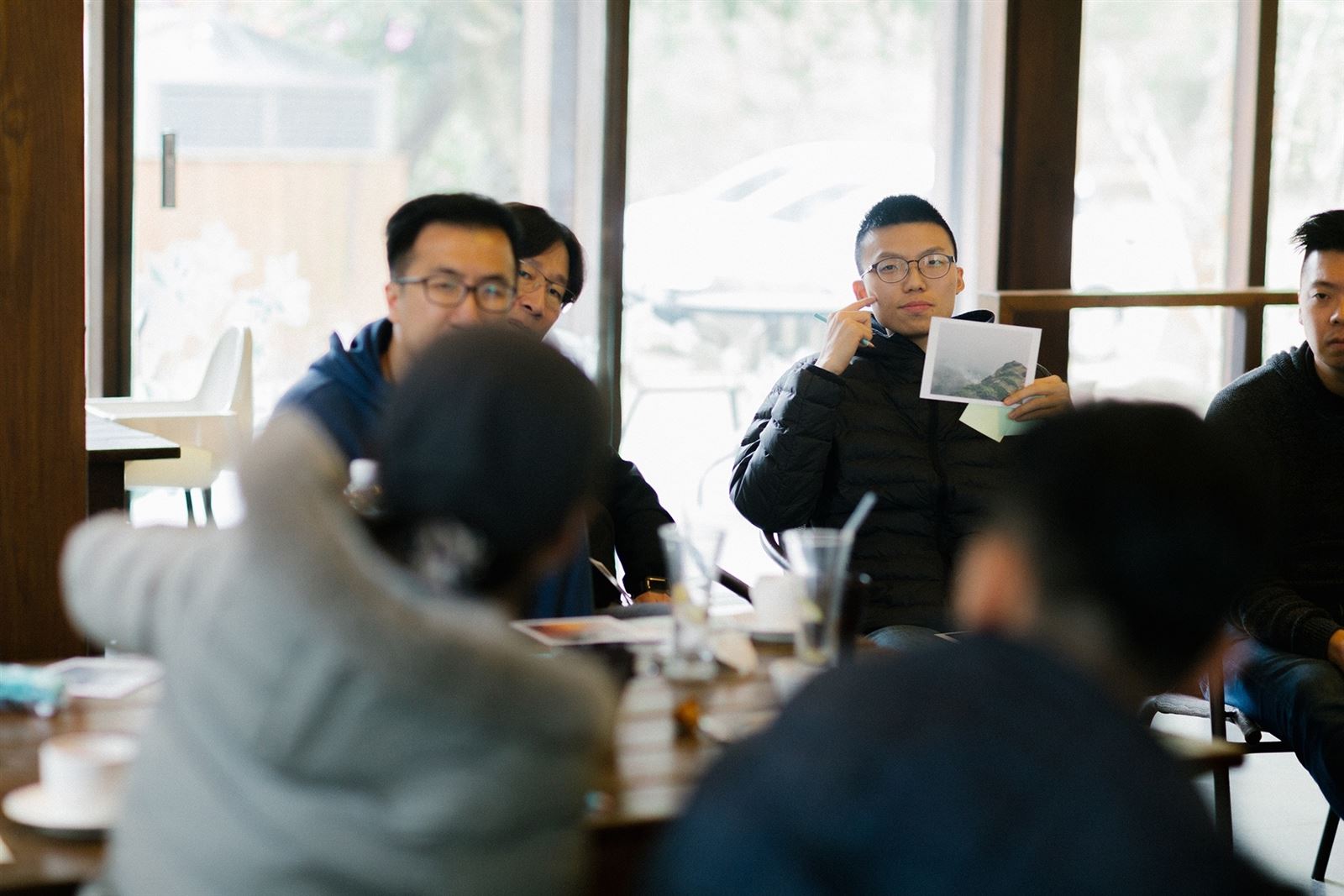
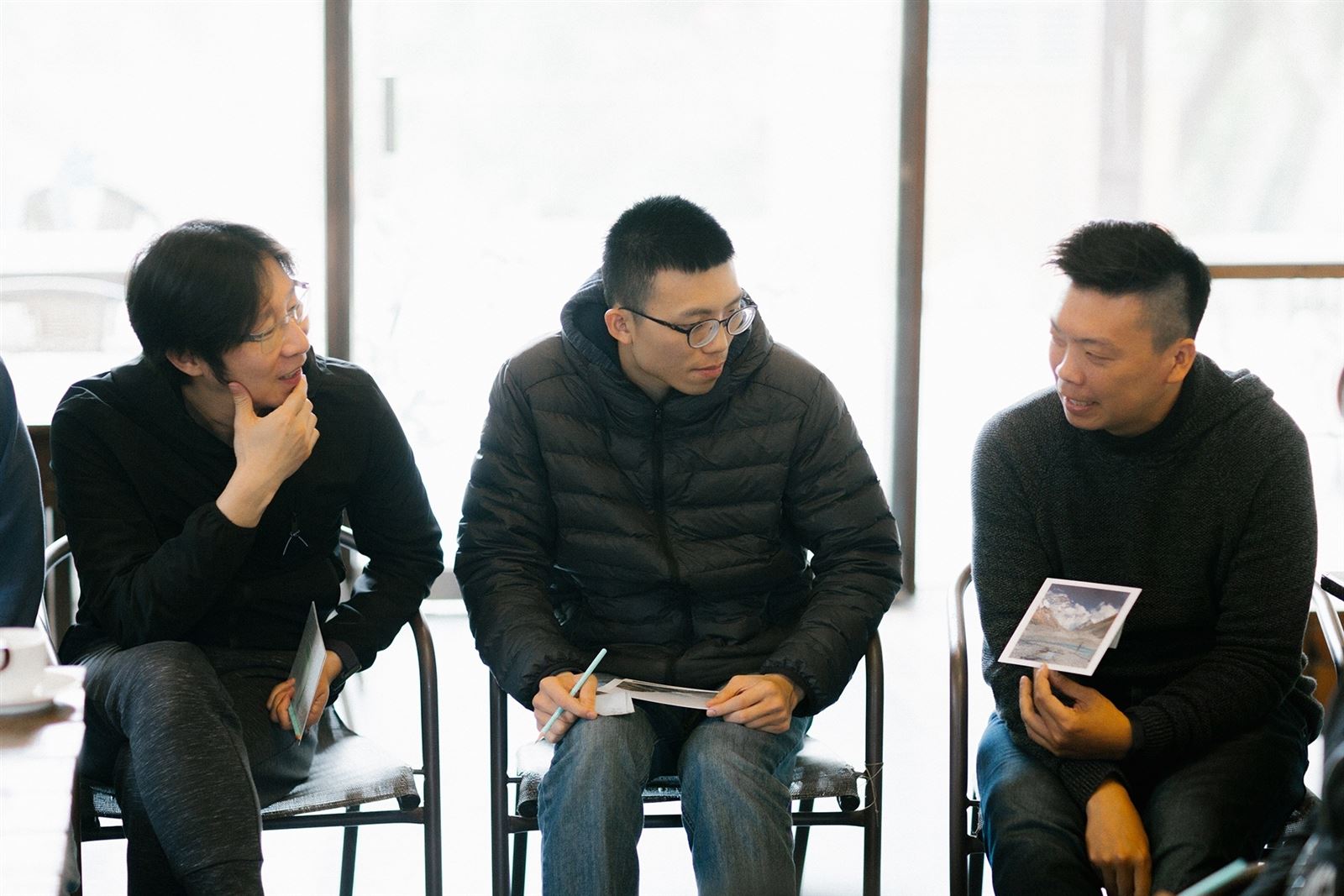
At lunch we saw one radiant smile after another; everyone was glowing. In the morning we gave them "helping each other through effort"; in the late afternoon we brought out a "meeting of minds", with talk of the present, the future, difficulties and dreams. Not all of it was about work; more of it was about hopes for life.
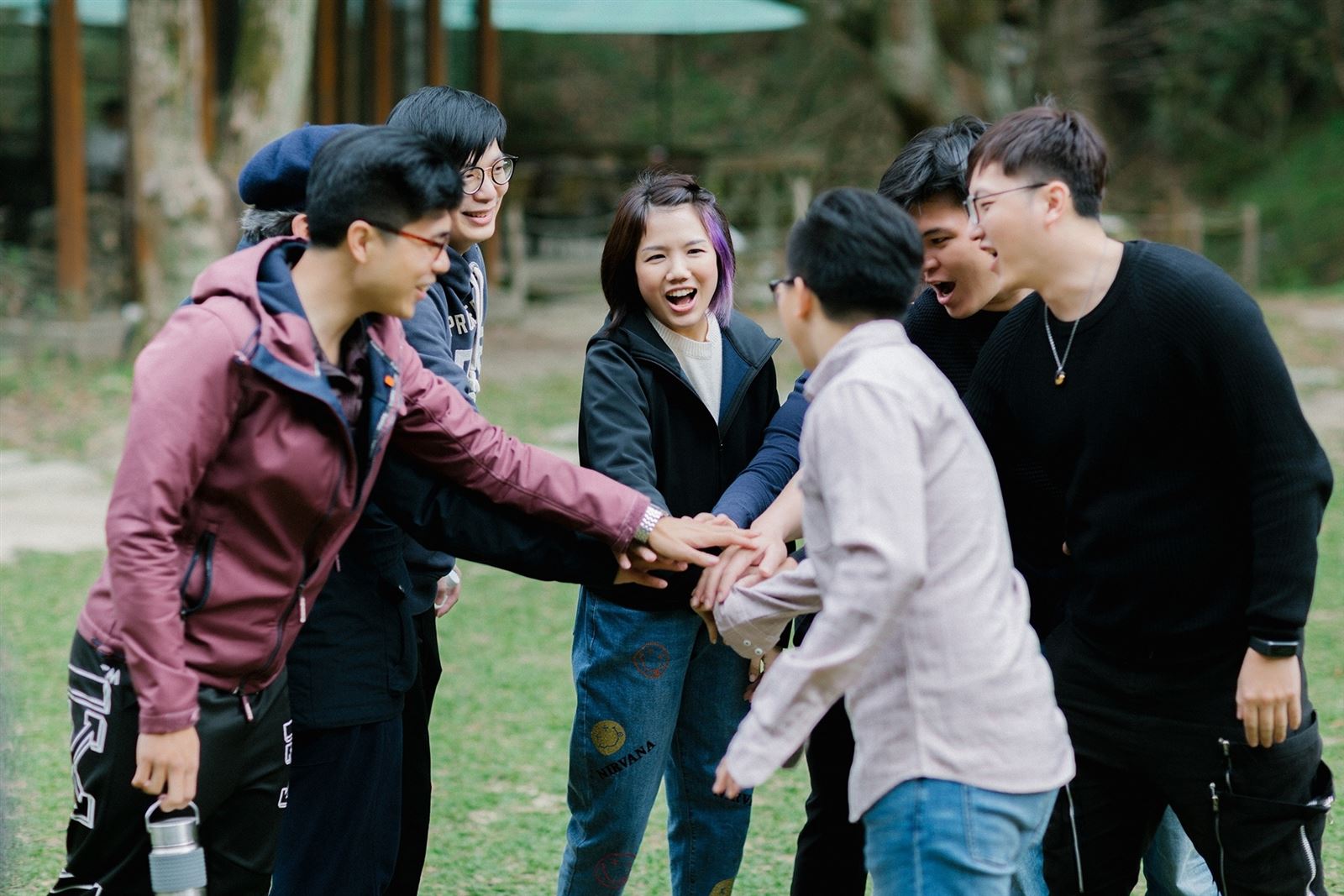
Gradually everyone understood: we all want to win, we share the same goal, and we're "partners helping each other on the road to success". The result of the game no longer mattered, because they'd grown closer.
Colleagues aren't just people working in the same space; they're a group with a shared goal, trying together to find common ground and working for it. When hearts are closer, even when difficulties come, they can get through them side by side.
FAQ
Can you break the ice on an employee trip that's only one day?
Yes. What matters isn't the number of days but whether there's "design": building getting-to-know-you and cross-department teamwork moments into the coach ride and the activities at each stop.
What information do you need from the company in advance?
Colleagues' names, nicknames, departments and hobbies, plus how departments relate to each other (competing, reporting lines, collaborating). These are the material for designing teams and game questions.
Do the employee trip and team building have to be separate?
No. This one built icebreaking and cross-department teamwork right into the day trip, getting two things done on one trip's budget.
See corporate & employee travel See themed event design
Further reading: Why companies still run employee trips