
How to budget an incentive trip: how much per person, and where the money should go
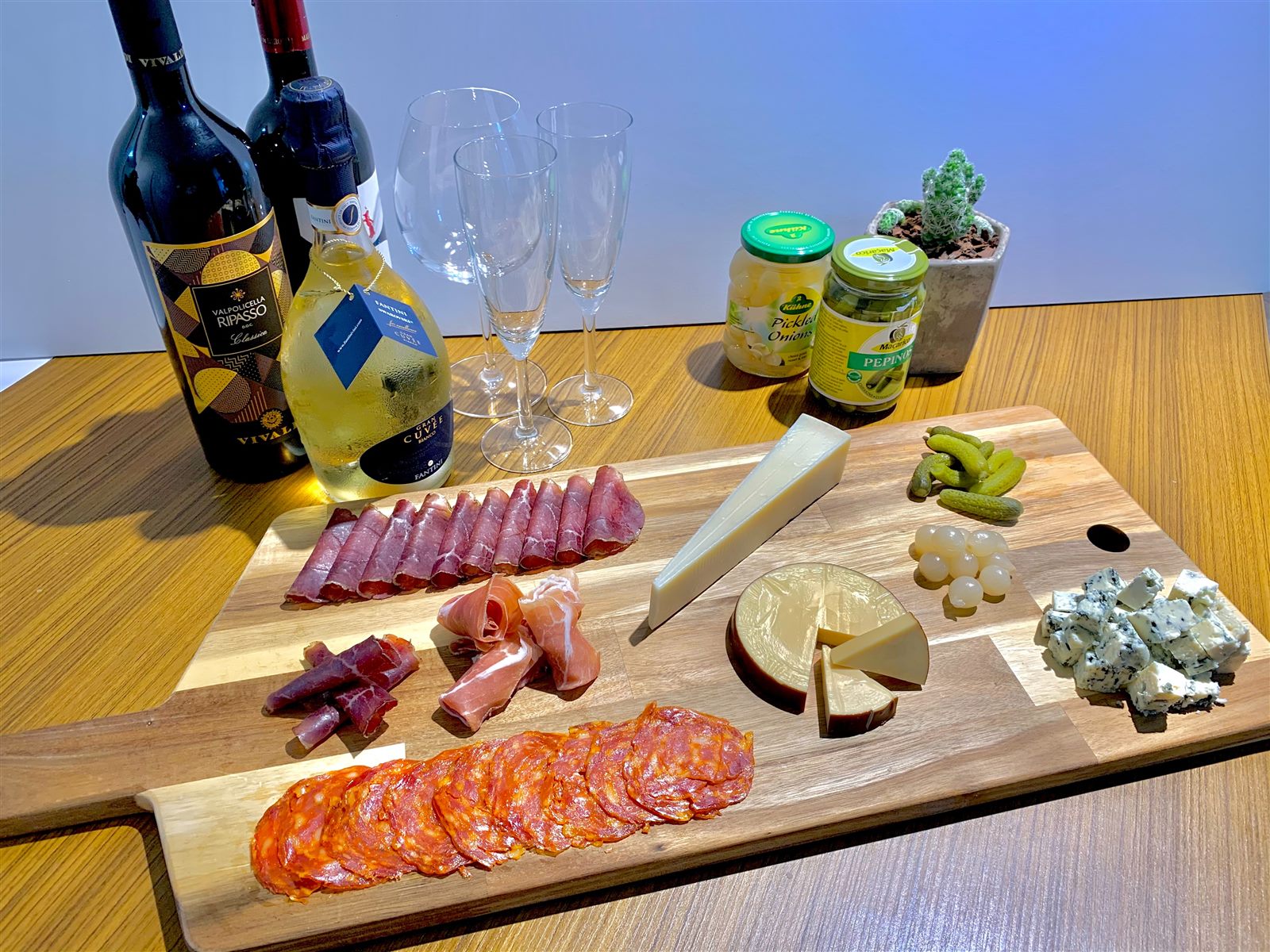
"How much should we budget for an incentive trip?" is the question sales managers and insurance branch heads ask most. This post gives you a reference range, and something more important: how to split the money once you have the budget. Because what makes an incentive trip a success is often not the total, but how it's allocated.
- Reference budget per person: about NT$30,000 overseas and about NT$15,000 domestic (including flights / coach, accommodation, meals, tickets and tips for the driver, guide and tour leader).
- Incentive trip vs employee trip: the itinerary design is much the same, but incentive trips put more weight on a "sense of reward" and ceremony (awards dinners, themed nights).
- Core principle: a budget isn't for splitting evenly; it's for buying memorable moments.
- How: make a few meals and moments "truly special", and cover the rest with night markets, theme parks and the like, so "meals on your own" make sense: same total, resources focused.
- It's decided early: making clear at the proposal stage "where the highlights go and how the budget is split" is the travel agency's professional call.
How much per person for an incentive trip?
At Taiwan market rates, a reference budget per person is roughly:
- Overseas (around 5 days): from NT$30,000. In Southeast Asia (Vietnam, Thailand, the Philippines), about NT$30,000 is the basic version, and NT$35,000 makes it feel more upscale; Japan and Korea are around NT$35,000.
- Domestic: about NT$8,000–10,000 for two days, about NT$15,000–20,000 for three days. A one-day reward outing is about NT$2,000–3,000.
These figures already include flights or coach, accommodation, meals, admission tickets and tips for the tour leader and guide. As for "what this money actually gets you", that depends on the allocation below.
How is an incentive trip different from an employee trip?
The basic itinerary is actually much the same. The difference is the purpose: an employee trip is a benefit; an incentive trip is "a reward for hitting targets". So incentive trips care more about:
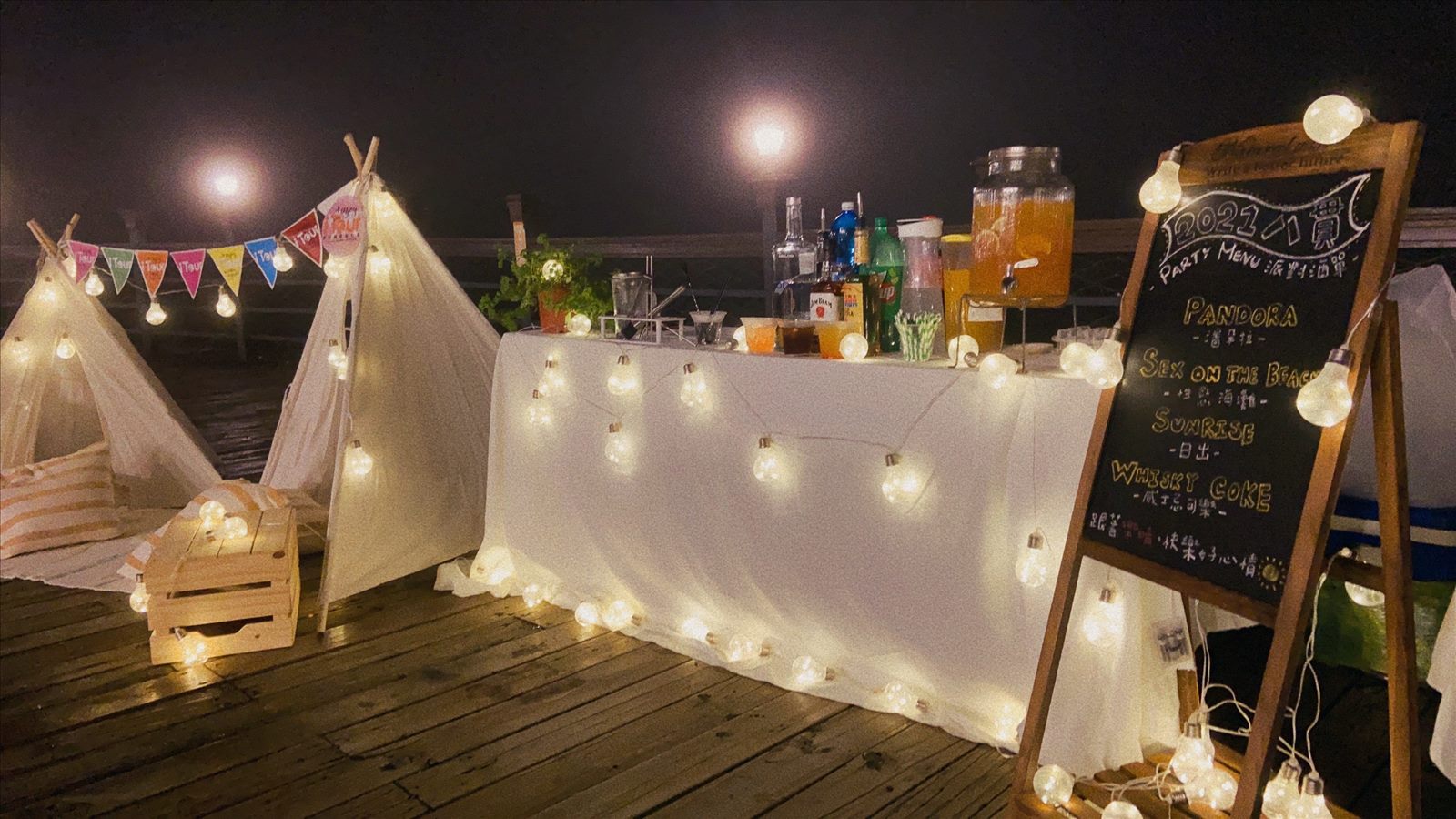
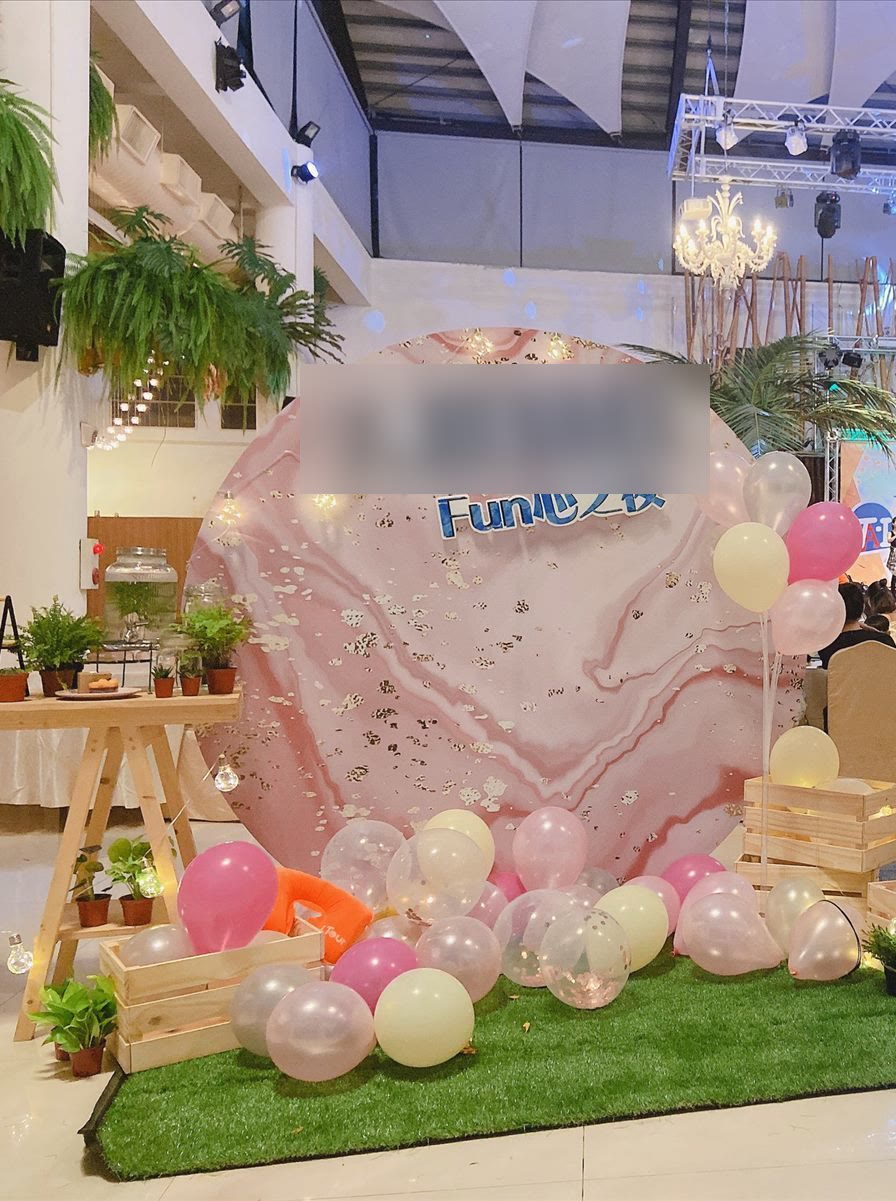
- Ceremony: awards dinners, themed nights, exclusive moments for top sales.
- A sense of upgrade: one night in a nicer hotel, one meal at a nicer restaurant, so "being rewarded" is visible.
- Photo-worthy: shots that can be shared in group chats and put up on the company wall are themselves motivation for next quarter.
When the budget is tight, where do you cut and where do you keep?
This is what iTour is asked about most, and where we have the most experience. When the budget is tight, the worst approach is "cutting a little from everything": every meal cut from NT$500 to NT$200, every hotel downgraded, every activity dropped. The result is a trip where "everything was fine, but nothing stood out", and nobody remembers it afterwards.
iTour's approach is don't split it evenly:
- Meals: not every meal becomes NT$200. Instead, keep 2–3 meals at NT$400–500 (welcome, awards, farewell), and cover the other meals as on-your-own, boxed meals or snacks.
- Make the arrangement make sense: for the "meal on your own", schedule a night market or theme park. People want to wander and eat on their own there anyway, so it doesn't spoil the mood; it's even more freedom.
- Accommodation: rather than every night being ordinary, spend one night at a resort people will remember, and for the other nights just choose clean, comfortable, conveniently located hotels.
- Activities: focus resources on one real themed night or awards dinner, rather than squeezing a half-hearted small activity into every day.
The total stays the same, but resources are focused on the highlights. That way, the same budget buys "a few moments everyone keeps talking about" rather than five flat days.
How to discuss the budget with a travel agency
Make these things clear at the proposal stage so the agency can plan accurately:
- Total headcount, planned departure time, maximum budget per person.
- Who the "stars" are this time: a reward for everyone, or exclusively for top sales?
- Which moment do you most want remembered (the awards, a themed night, a particular sight)?
- Which meals can be on your own, and which nights can be in a more ordinary hotel.
Based on these, iTour sends back a proposal that spells out "where the highlights go and how the budget is split", not a quote with every item averaged out.
Incentive trip budgets: FAQ
How many people do you need for a group?
We've done groups from a dozen or so to over a hundred. The more people, the more room to negotiate, and the more budget can be moved into highlights.
What's different about incentive trips for insurance branch offices?
There's usually a clear "qualifiers list" and an awards segment, so themed nights and awards dinners are the focus; iTour designs the decoration and program with you.
Can we do a domestic trip first and an overseas one next year?
Yes. Many companies use "a domestic reward this year, a big overseas prize next year" as tiered motivation, and iTour can plan the two-year rhythm with you.
Our budget is really tight. Is it still worth doing?
Yes, but you have to make honest trade-offs. Rather than forcing a five-day trip where "everything is skimped on", do three days and get the moments that matter right.
Have iTour plan your incentive trip See awards dinner & themed night design
Further reading: Why companies run employee trips ・ How to choose a coach for an employee trip ・ How to design a year-end party