
Why not just pay cash? Why companies still run employee trips

"Why do I have to join a company event on my day off?" "Why not just pay cash, or swap it for another benefit?" Every welfare committee member in charge of the employee trip has probably heard these.
No fine words here. This post looks at it from both the employees' and the company's side, to explain what an employee trip is really buying, and how to start if your company has never done one properly.
- Employees who feel "just pay cash" have mostly never been on a well-run employee trip
- What the company is buying is "relationships, cohesion, a sense of unity", which money can't buy
- Swap it for a bonus, and work becomes "just for the paycheck"; over time, even work performance suffers
- Team building and evening parties can be done "along the way" on the trip, without hiring two companies or paying twice
- For companies that have never done one, the best way is to "try it out" with one employee trip first
Why do employees feel "just pay cash"?
For new graduates just entering the workforce, employee trips usually mean: the company pays, so why not go; they've never been on one and expect nothing; and with managers there, they don't dare skip it.
The problem is: holding one doesn't mean holding a good one. Many companies run employee trips only because "it's a benefit and we have to", and do it half-heartedly. If employees have never experienced a well-run trip, of course they expect nothing, and naturally feel "just give us the cash".
So why do companies still do it?
Because an employee trip isn't buying "an outing"; it's buying these:
- Relationships and cohesion between employees: something money can't buy.
- Keeping connections within and across departments along the way, and building team spirit.
- Having everyone do the same things, breathe the same air and share the same experience is what gives an organization a "sense of unity".
For a few employees the effect may not be obvious, but for most, what they take away shows up in work efficiency and team atmosphere. That's why many companies insist on continuing.
What happens if you swap the benefit for a bonus?
- Work becomes "just about getting paid" for employees.
- Over time, they lose the ability to connect with people, and even work performance gets worse.
Are team building and evening parties worth adding?
Yes, and they don't need to be separate. More and more team-building teams and PR firms run these activities, but two common problems are: the price exceeds the budget, and the results fall short.
A more practical approach is to use the employee trip to try it out along the way: no need to hire two companies, pay twice or run two events; at the price of an employee trip, get a feel for whether your company suits this kind of activity, and see how employees respond. For a company that's never done it, it's a great way to test the waters.
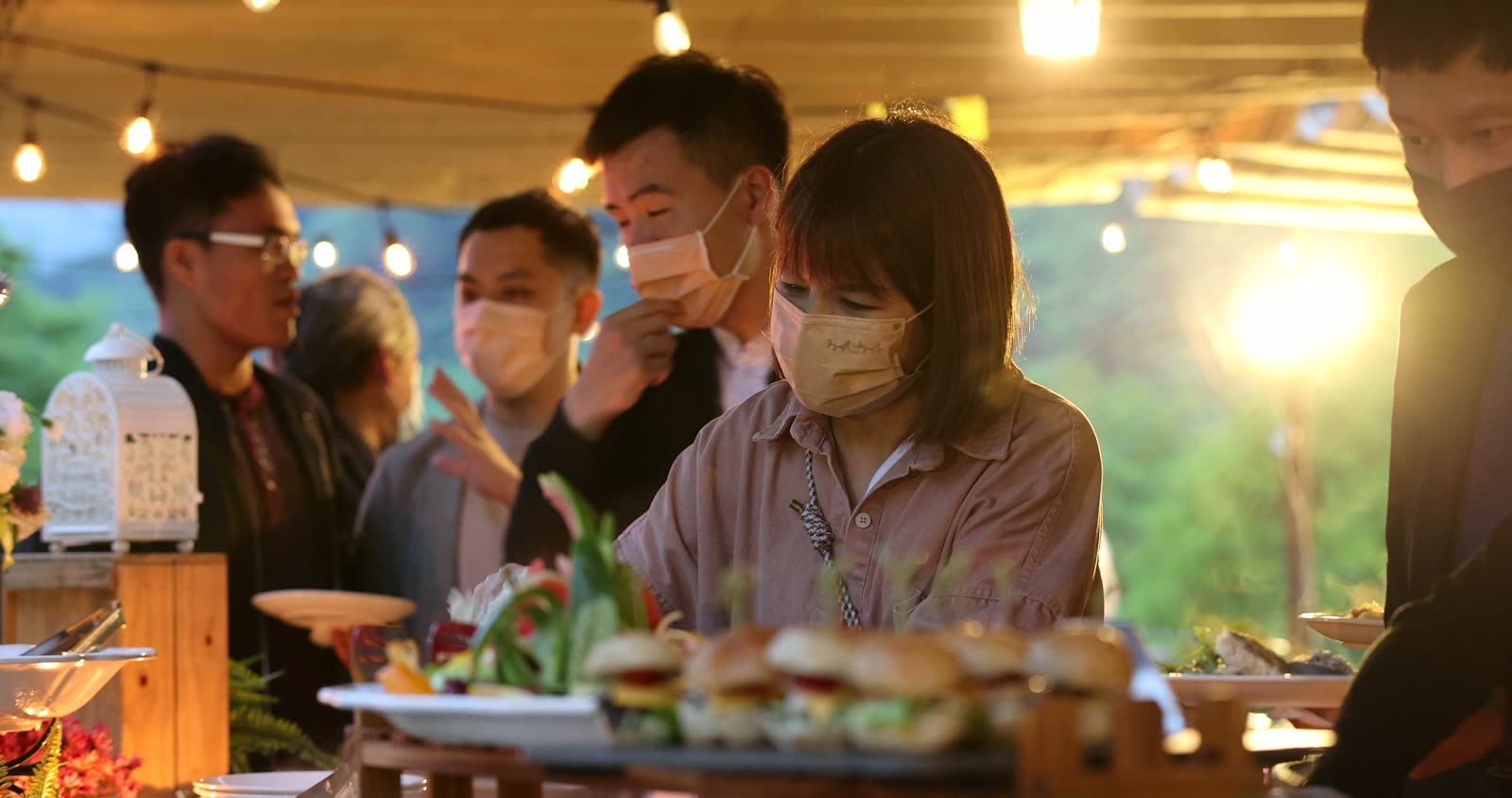
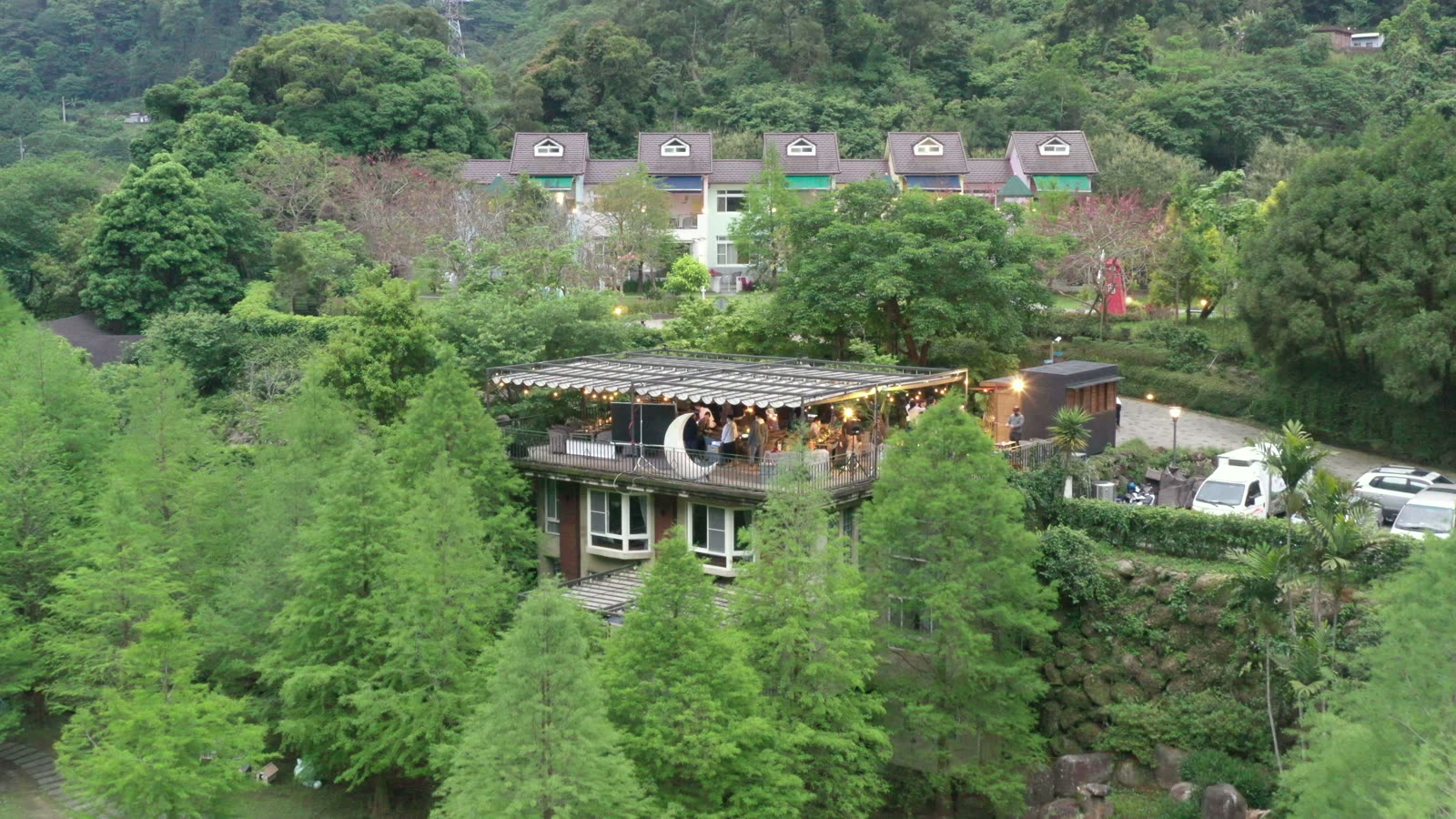
iTour's approach: one trip, three things at once
iTour's "3-in-1 trip" puts employee travel × team building × an evening party into the same trip, built around "finding fun, finding chemistry, finding teamwork", as an entry-level team-building option. With the experience as the starting point, employees feel the results in the activities: stronger team cohesion and engagement, more communication and interaction across departments, and a team that's more than just a slogan.
This approach grew out of the iTour team joining and running all kinds of employee trips, building up experience and refining it again and again. Companies we've served include an agricultural products company, a technology manufacturer, a precision manufacturer, a food factory, an electronics company, 聯成電腦 and others, with trips spanning Harbin, Da Nang, Kuala Lumpur, Ha Long Bay, Kyushu, Okinawa, Türkiye, Penghu, Cingjing, Miaoli and more.
FAQ
Is an employee trip suitable for a very small company too?
Yes. With fewer people it's actually easier to fine-tune the experience. What matters is "whether it's designed", not how many people there are.
Employees are generally lukewarm. How do we raise participation?
Usually it's because past trips had "only an itinerary, no design". Add some activities or an evening party so employees feel involved and have memorable moments, and the feedback is usually different.
Our budget is limited. Can we do just the trip and add activities later?
Yes. Start with a basic employee trip with one or two small activities to test the waters, then decide later whether to give team building or a themed evening party a bigger share.
See corporate & employee travel See themed event design
Further reading: What games to play at a year-end party ・ Cingjing starry-sky party case study