
How to choose a safe tour coach: 5 things to check beyond the price

The most important word in group travel is "safety", and the key vehicle is the coach. There are so many coaches on the road, with different years of manufacture, brands and horsepower. This post shows you the smartest way, without being swayed by price, to judge whether a coach can take everyone out and bring them home safely.
- Check the bodywork markings: year of manufacture, passenger capacity, and whether the company name on the back and both sides match
- Check the chassis brand: European (SCANIA / VOLVO / BENZ / MAN) performs better; watch out for "city bus chassis" passed off as the real thing
- Know the difference between "owner-operated" and "company-owned" coaches: who is responsible differs a lot
- Check the driver's quality: attitude, cooperation, and willingness to stop at sights where there's nothing in it for them
- If unsure, go with a well-reviewed coach company you've worked with long-term
1. What should you check in the bodywork markings?
Taiwanese regulations require a coach's door to clearly show the year of manufacture, large passenger vehicle category, passenger capacity and weight; next to the driver's seat or in a visible spot at the doors, it must show the driver's name, company name, service phone number and complaints phone number.
A quick tip: compare the company name on both sides and on the back of the coach. If the names differ, it may be an "owner-operated" coach.
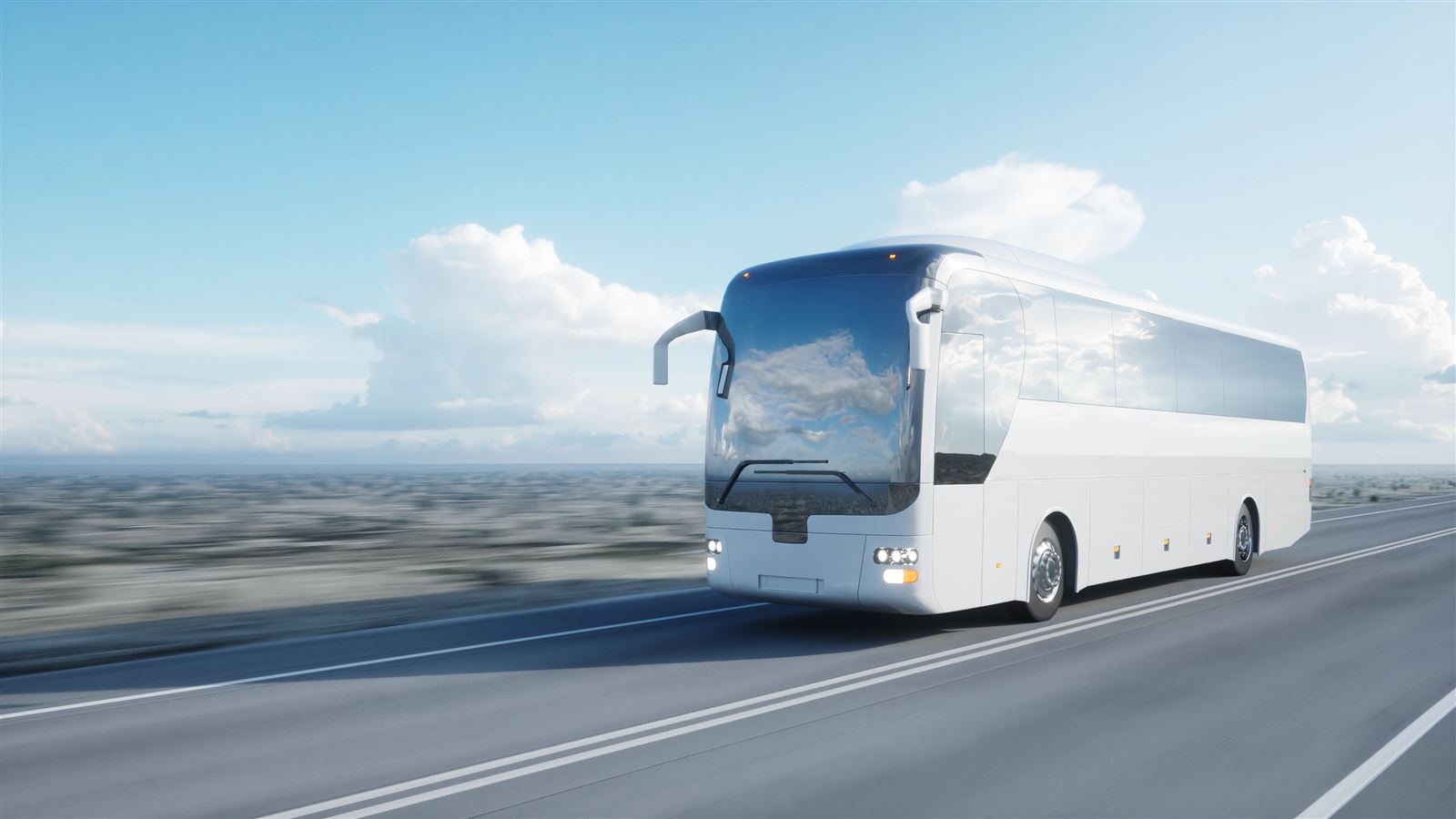
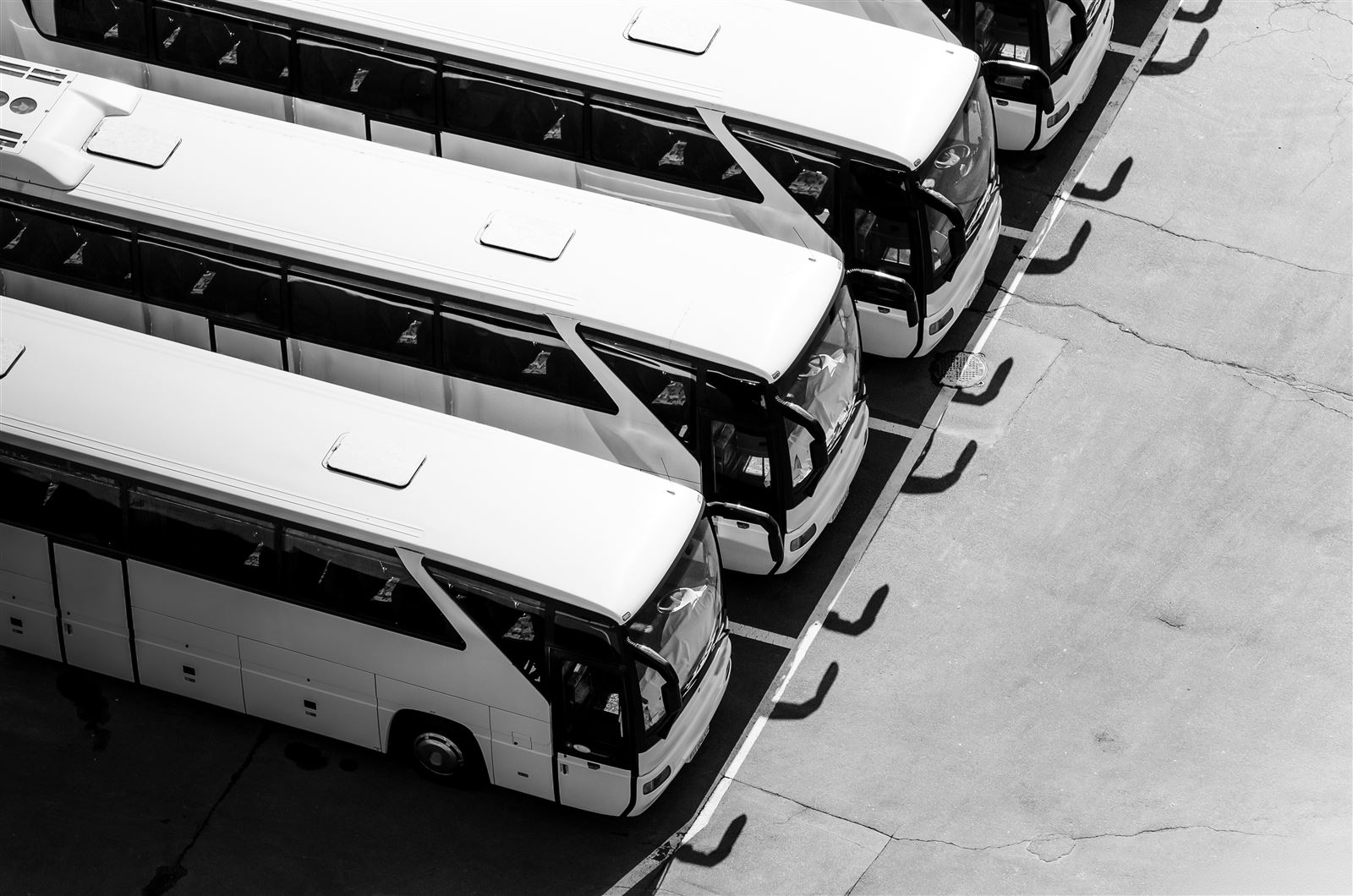
2. How do European and Japanese/Korean chassis differ?
All tour coaches in Taiwan use an imported chassis, with the body then built by a Taiwanese coachbuilder. Common chassis brands:
- European: SCANIA, VOLVO, BENZ, MAN: the highest cost, with better horsepower and performance.
- Japanese/Korean: HINO, ISUZU, Daewoo.
Be especially careful: because the industry is so competitive, some coach companies cut costs by using a city bus chassis instead of a coach chassis. City buses are designed for slow, short trips and aren't suited to highways or mountain roads; their performance, safety and comfort fall far short of a true coach chassis. Checking the chassis brand is the most basic insurance.
3. "Owner-operated" or "company-owned": which is better?
Taiwan has long had an "affiliation" culture: the barrier to entering the coach business is high, so many drivers buy their own coach, affiliate it with a coach company and then take jobs themselves.
Owner-operated coach
Pros: flexible pricing, drivers care more about their performance, careful maintenance and cleaning.
Cons: harder to avoid overtime driving, and harder to pin down responsibility when something goes wrong.
Company-owned coach
Pros: clear responsibility, consistent quality, standardized management, no overtime.
Cons: less price flexibility.
Simply put: a "company-owned" coach is the official product, an "owner-operated" one is the grey import. Either way, choosing a well-reviewed company or driver you've worked with long-term matters more.
4. How do you judge a driver's quality?
As regulations have tightened, the smoking, betel-nut chewing and even drunk driving of earlier days have greatly declined. What's more common now is the "old hand" problem: using their experience to demand changes to the order of the itinerary, poor attitude and cooperation, unwillingness to stop longer at sights where there's nothing in it for them, and unwillingness to help passengers who urgently need the restroom. Being short-tempered or inexperienced both add risk to the trip.
If you rarely hire coaches yourself, it's best to go straight to a larger coach company: with training and screening, driver quality is usually more consistent.
5. How does iTour choose coaches?
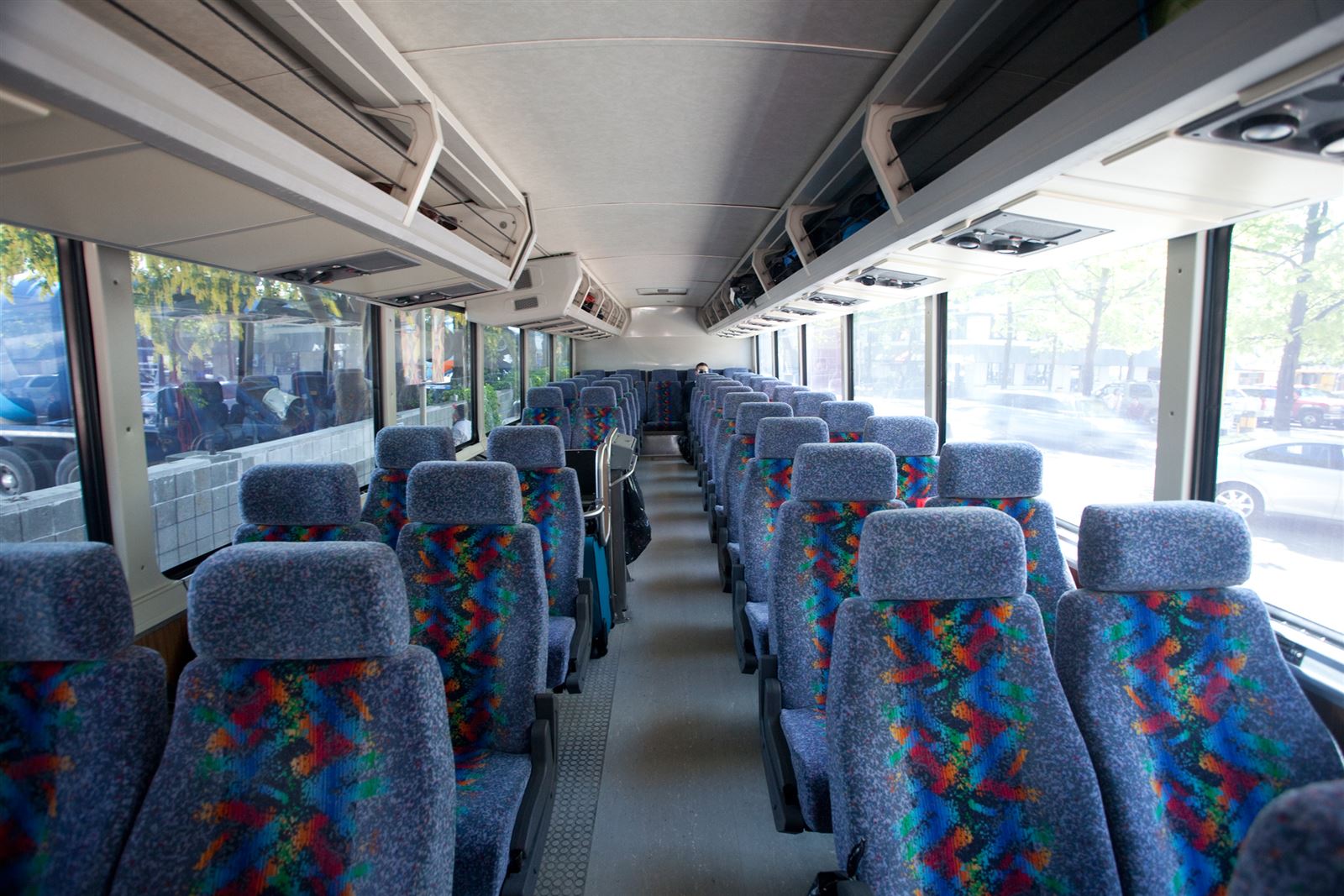
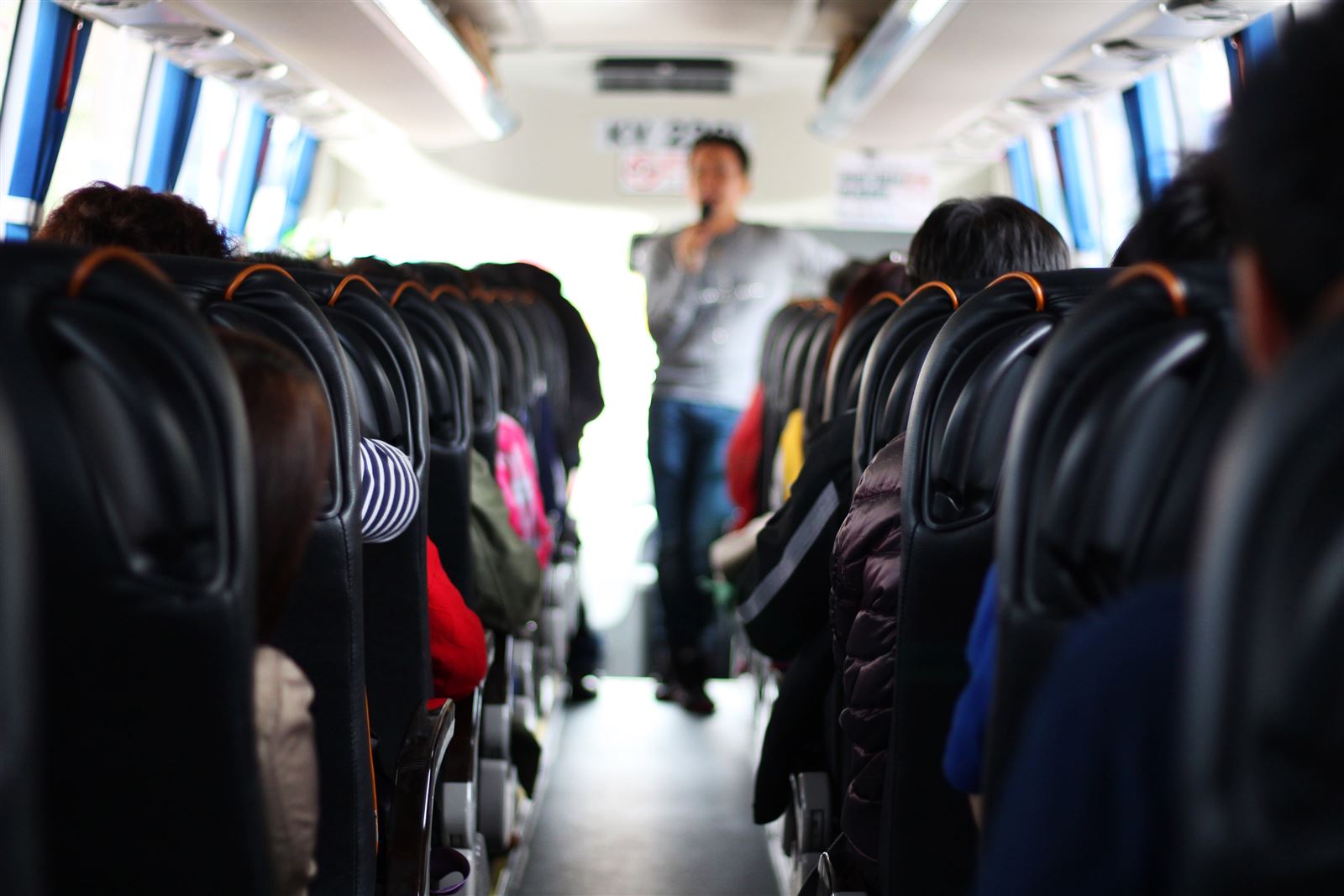
iTour has handled tens of thousands of bookings, and we've seen outrageous situations: coaches that were dirty, with cockroaches or a smell of smoke, drivers smoking on board, luggage compartments that were too small, poor suspension and uncomfortable rides, drivers mouthing off at customers. Whenever this happens, that coach company and driver go straight on our blacklist and we refuse to work with them again, and we do our best to swap in a coach that meets the customer's requirements right away.
Our standards for coach companies leave no room for compromise: from vehicle safety, comfort, cleanliness and entertainment equipment, down to the driver's driving skills and personal conduct. On departure day we also inspect the coach together with the customer and the driver: checking the bodywork, tire pressure and tread, glass breakers, fire extinguishers, and the location and condition of each emergency exit, plus a breathalyzer test for the driver, disinfection of the whole coach and a safety briefing.
FAQ
How can you quickly tell if a coach is a "city bus chassis" in disguise?
Look for the chassis brand marking (SCANIA / VOLVO / HINO etc.), and check whether the vehicle category is marked as a large passenger vehicle; if in doubt, ask the travel agency or coach company handling it to show the vehicle registration and vehicle details.
Should we specify a maximum coach age for an employee trip?
You can set an age limit (for example, manufactured within the last 8 years), but more important than age are the maintenance condition and chassis grade, which depend on working with a reputable coach company.
Can a travel agency vet the coach for us?
Yes, and we recommend it. iTour only uses quality suppliers we've worked with long-term, and inspects on site on departure day.
See corporate & employee travel
Further reading: Why companies still run employee trips